Showing 305–320 of 634 results
-
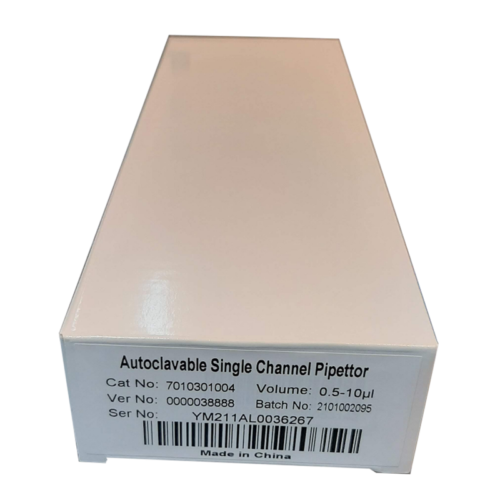
Micropipette, Autoclavable Pipettor 0.5-10uL
0₱3,000.00> Autoclavable
> Single Channel
> Pipettor
> CE ISO 9001/13485
> 0.5-10ulMOUNT THE PIPETTE HOLDER
> Clean the surface with alcohol
> Peel of the protective paper form the adhesive tape of the holder
> Press the holder against the clean surface on the shelf and pipette vertically on the holder
OPERATION
> Rotate the operating button to adjust volume setting within the permissible range
> Check the set volume in the display window press the tip tightly on the tip cone -
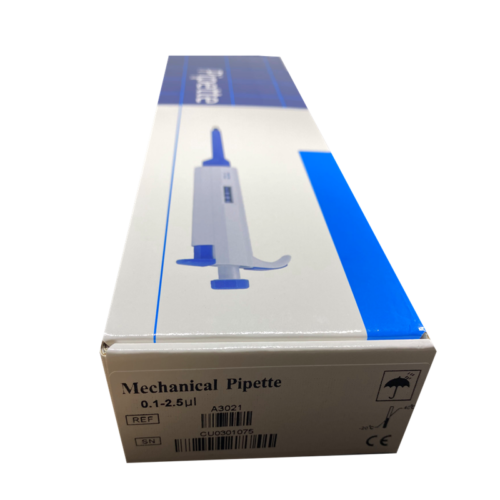
Micropipette, Autoclavable Pipettor, 0.1-2.5uL
0₱1,499.00> Winguard
> Mechanical Pipette
> Single Channel
> Size
> 0.1-2.5ulA pipette (sometimes spelled pipet) is a laboratory tool commonly used in chemistry, biology, and medicine to transport a measured volume of liquid, often as a media dispenser. Pipettes come in several designs for various purposes with differing levels of accuracy and precision, from single-piece glass pipettes to more complex adjustable or electronic pipettes. Many pipette types work by creating a partial vacuum above the liquid-holding chamber and selectively releasing this vacuum to draw up and dispense liquid. Measurement accuracy varies greatly depending on the instrument.
-
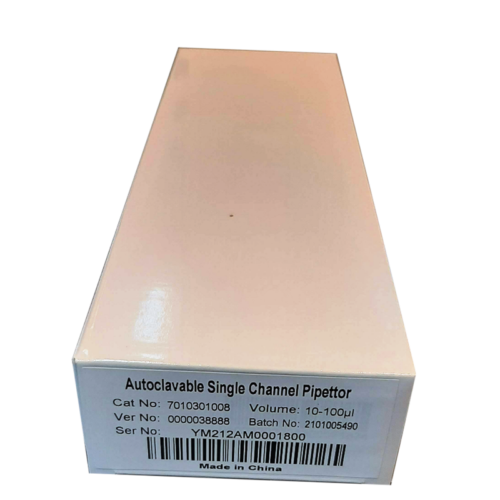
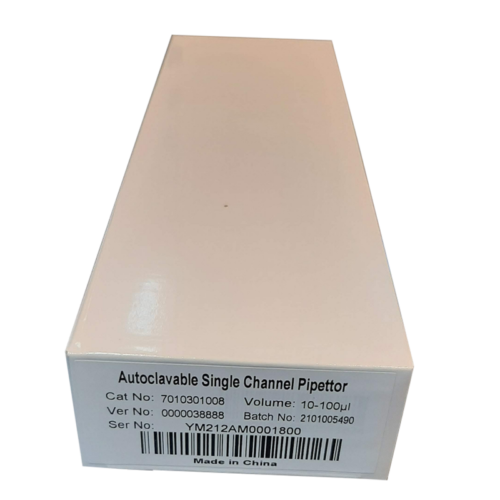
Micropipette, Autoclavable Pipettor, 10-100uL
0₱3,000.00> Autoclavable
> Single Channel
> Pipettor
> CE ISO 9001/13485
> 10-100ulMOUNT THE PIPETTE HOLDER
> Clean the surface with alcohol
> Peel of the protective paper form the adhesive tape of the holder
> Press the holder against the clean surface on the shelf and pipette vertically on the holder
OPERATION
> Rotate the operating button to adjust volume setting within the permissible range
> Check the set volume in the display window press the tip tightly on the tip cone -
Micropipette, Autoclavable Pipettor, 100-1000uL
0₱3,000.00> Autoclavable
> Single Channel
> Pipettor
> CE ISO 9001/13485
> 100-1000ulMOUNT THE PIPETTE HOLDER
> Clean the surface with alcohol
> Peel of the protective paper form the adhesive tape of the holder
> Press the holder against the clean surface on the shelf and pipette vertically on the holder
OPERATION
> Rotate the operating button to adjust volume setting within the permissible range
> Check the set volume in the display window press the tip tightly on the tip cone -
Micropipette, Autoclavable Pipettor, 100-1000uL
0₱1,499.00> Winguard
> Mechanical Pipette
> Single Channel
> Size
> 100-1000ulA pipette (sometimes spelled pipet) is a laboratory tool commonly used in chemistry, biology, and medicine to transport a measured volume of liquid, often as a media dispenser. Pipettes come in several designs for various purposes with differing levels of accuracy and precision, from single-piece glass pipettes to more complex adjustable or electronic pipettes. Many pipette types work by creating a partial vacuum above the liquid-holding chamber and selectively releasing this vacuum to draw up and dispense liquid. Measurement accuracy varies greatly depending on the instrument.
-
Micropipette, Autoclavable Pipettor, 2-20uL
0₱3,000.00> Autoclavable
> Single Channel
> Pipettor
> CE ISO 9001/13485
> 2-20ulMOUNT THE PIPETTE HOLDER
> Clean the surface with alcohol
> Peel of the protective paper form the adhesive tape of the holder
> Press the holder against the clean surface on the shelf and pipette vertically on the holder
OPERATION
> Rotate the operating button to adjust volume setting within the permissible range
> Check the set volume in the display window press the tip tightly on the tip cone -
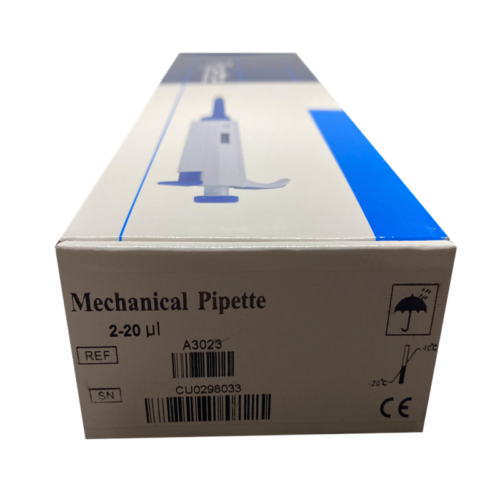
Micropipette, Autoclavable Pipettor, 2-20uL
0₱1,499.00> Winguard
> Mechanical Pipette
> Single Channel
> Size
> 2-20ulA pipette (sometimes spelled pipet) is a laboratory tool commonly used in chemistry, biology, and medicine to transport a measured volume of liquid, often as a media dispenser. Pipettes come in several designs for various purposes with differing levels of accuracy and precision, from single-piece glass pipettes to more complex adjustable or electronic pipettes. Many pipette types work by creating a partial vacuum above the liquid-holding chamber and selectively releasing this vacuum to draw up and dispense liquid. Measurement accuracy varies greatly depending on the instrument.
-
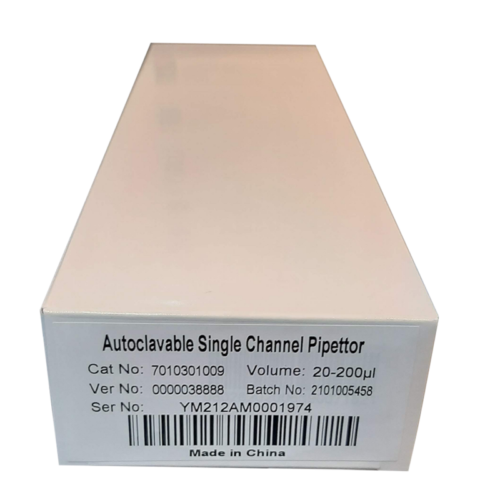
Micropipette, Autoclavable Pipettor, 20-200uL
0₱3,000.00> Autoclavable
> Single Channel
> Pipettor
> CE ISO 9001/13485
> 20-200ulMOUNT THE PIPETTE HOLDER
> Clean the surface with alcohol
> Peel of the protective paper form the adhesive tape of the holder
> Press the holder against the clean surface on the shelf and pipette vertically on the holder
OPERATION
> Rotate the operating button to adjust volume setting within the permissible range
> Check the set volume in the display window press the tip tightly on the tip cone -
Micropipette, Autoclavable Pipettor, 20-200uL
0₱1,499.00> Winguard
> Mechanical Pipette
> Single Channel
> Size
> 20-200ulA pipette (sometimes spelled pipet) is a laboratory tool commonly used in chemistry, biology, and medicine to transport a measured volume of liquid, often as a media dispenser. Pipettes come in several designs for various purposes with differing levels of accuracy and precision, from single-piece glass pipettes to more complex adjustable or electronic pipettes. Many pipette types work by creating a partial vacuum above the liquid-holding chamber and selectively releasing this vacuum to draw up and dispense liquid. Measurement accuracy varies greatly depending on the instrument.
-
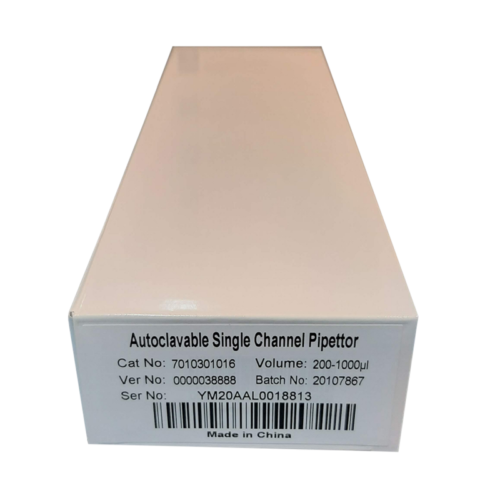
Micropipette, Autoclavable Pipettor, 200-1000uL
0₱3,000.00> Autoclavable
> Single Channel
> Pipettor
> CE ISO 9001/13485
> 200-1000ulMOUNT THE PIPETTE HOLDER
> Clean the surface with alcohol
> Peel of the protective paper form the adhesive tape of the holder
> Press the holder against the clean surface on the shelf and pipette vertically on the holder
OPERATION
> Rotate the operating button to adjust volume setting within the permissible range
> Check the set volume in the display window press the tip tightly on the tip cone -
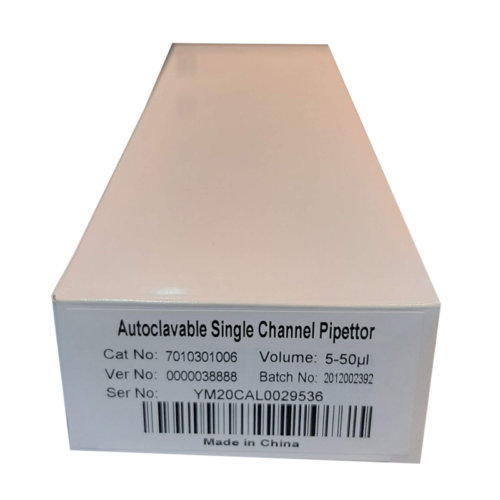
Micropipette, Autoclavable Pipettor, 5-50uL
0₱3,000.00> Autoclavable
> Single Channel
> Pipettor
> CE ISO 9001/13485
> 5-50ulMOUNT THE PIPETTE HOLDER
> Clean the surface with alcohol
> Peel of the protective paper form the adhesive tape of the holder
> Press the holder against the clean surface on the shelf and pipette vertically on the holder
OPERATION
> Rotate the operating button to adjust volume setting within the permissible range
> Check the set volume in the display window press the tip tightly on the tip cone -
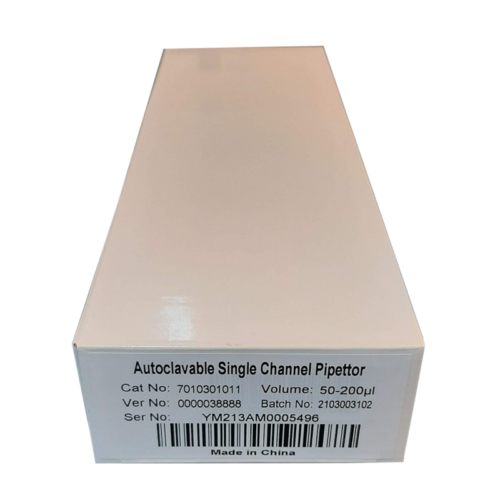
Micropipette, Autoclavable Pipettor, 50-200uL
0₱3,000.00> Autoclavable
> Single Channel
> Pipettor
> CE ISO 9001/13485
> 50-200ulMOUNT THE PIPETTE HOLDER
> Clean the surface with alcohol
> Peel of the protective paper form the adhesive tape of the holder
> Press the holder against the clean surface on the shelf and pipette vertically on the holder
OPERATION
> Rotate the operating button to adjust volume setting within the permissible range
> Check the set volume in the display window press the tip tightly on the tip cone -
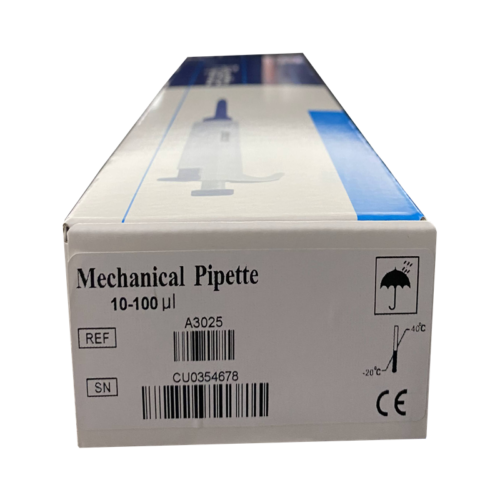
Micropipette, Autoclavable Pipettor, 10-100uL
0₱1,499.00> Winguard
> Mechanical Pipette
> Single Channel
> Size
> 10-100ulA pipette (sometimes spelled pipet) is a laboratory tool commonly used in chemistry, biology, and medicine to transport a measured volume of liquid, often as a media dispenser. Pipettes come in several designs for various purposes with differing levels of accuracy and precision, from single-piece glass pipettes to more complex adjustable or electronic pipettes. Many pipette types work by creating a partial vacuum above the liquid-holding chamber and selectively releasing this vacuum to draw up and dispense liquid. Measurement accuracy varies greatly depending on the instrument.
-
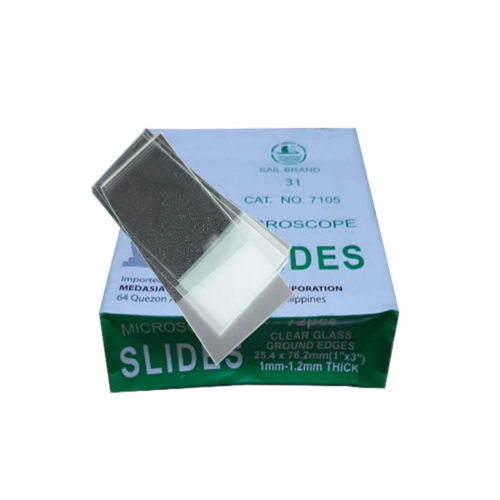
Microscope Slides Frosted, Ground Edge, CAT 7105, 72s
0₱89.00> SAIL BRAND
> MICROSCOPE SLIDE FROSTED
> GROUND EDGES
> CLEAR GLASS
> 25.4 x 76.2 mm((1″ x 3″)
> THICK 1 mm – 1.2 mm?
> 72 PCS PER PACK
> CAT NO. 7105
> 100% high qualityA microscope slide is a thin flat piece of glass, typically 75 by 26 mm (3 by 1 inches) and about 1 mm thick, used to hold objects for examination under a microscope. Typically the object is mounted (secured) on the slide, and then both are inserted together in the microscope for viewing. This arrangement allows several slide-mounted objects to be quickly inserted and removed from the microscope, labeled, transported, and stored in appropriate slide cases or folders etc.
-
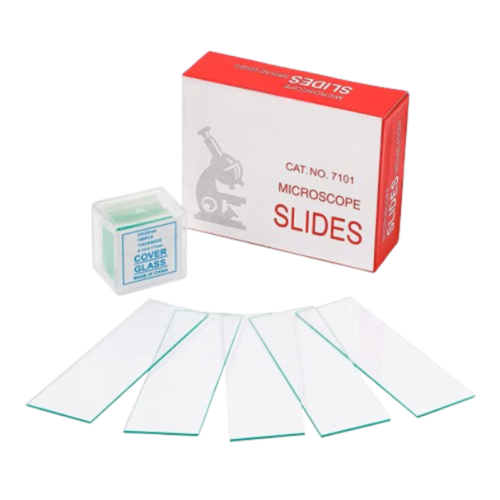
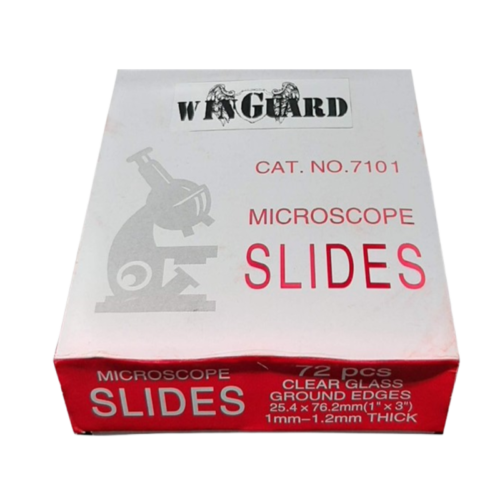
Microscope Slides Clear Glass, Ground Edges, CAT 7101, 72s
0₱69.00> Clear Glass Grounded Edge
> 72 pcs
> 25.4 x 76.2 mm (1 inch x 3 inches)
> 1 mm – 1.2 mm thick
> Sail Microscope Slides
> Clear Glass
> Plain Glass
> CAT. No. 7101A microscope slide is a thin flat piece of glass, typically 75 by 26 mm (3 by 1 inches) and about 1 mm thick, used to hold objects for examination under a microscope. Typically the object is mounted (secured) on the slide, and then both are inserted together in the microscope for viewing. This arrangement allows several slide-mounted objects to be quickly inserted and removed from the microscope, labeled, transported, and stored in appropriate slide cases or folders etc.
Microscope slides are often used together with a cover slip or cover glass, a smaller and thinner sheet of glass that is placed over the specimen. Slides are held in place on the microscope’s stage by slide clips, slide clamps or a cross-table which is used to achieve precise, remote movement of the slide upon the microscope’s stage (such as in an automated/computer operated system, or where touching the slide with fingers is inappropriate either due to the risk of contamination or lack of precision).